Partial vs. Full Gyprock Ceiling Replacement: Which Option Is Right for You?
Choosing between a partial and full gyprock ceiling replacement is one of the most common decisions Perth homeowners face after ceiling damage, and getting it wrong can cost time, money, and safety. This guide breaks down when each option makes sense, what affects the choice in Perth homes specifically, and how to ensure a seamless finish either way.
When Is Partial Gyprock Ceiling Replacement a Sound Choice?
Partial replacement works well when damage is clearly contained. If a single room has a localised water stain, a small impact hole, or a sagging section caused by a one-off leak that has since been fixed, a targeted repair may be all that is needed. The surrounding sheet, battens, and framing all need to be in good condition.
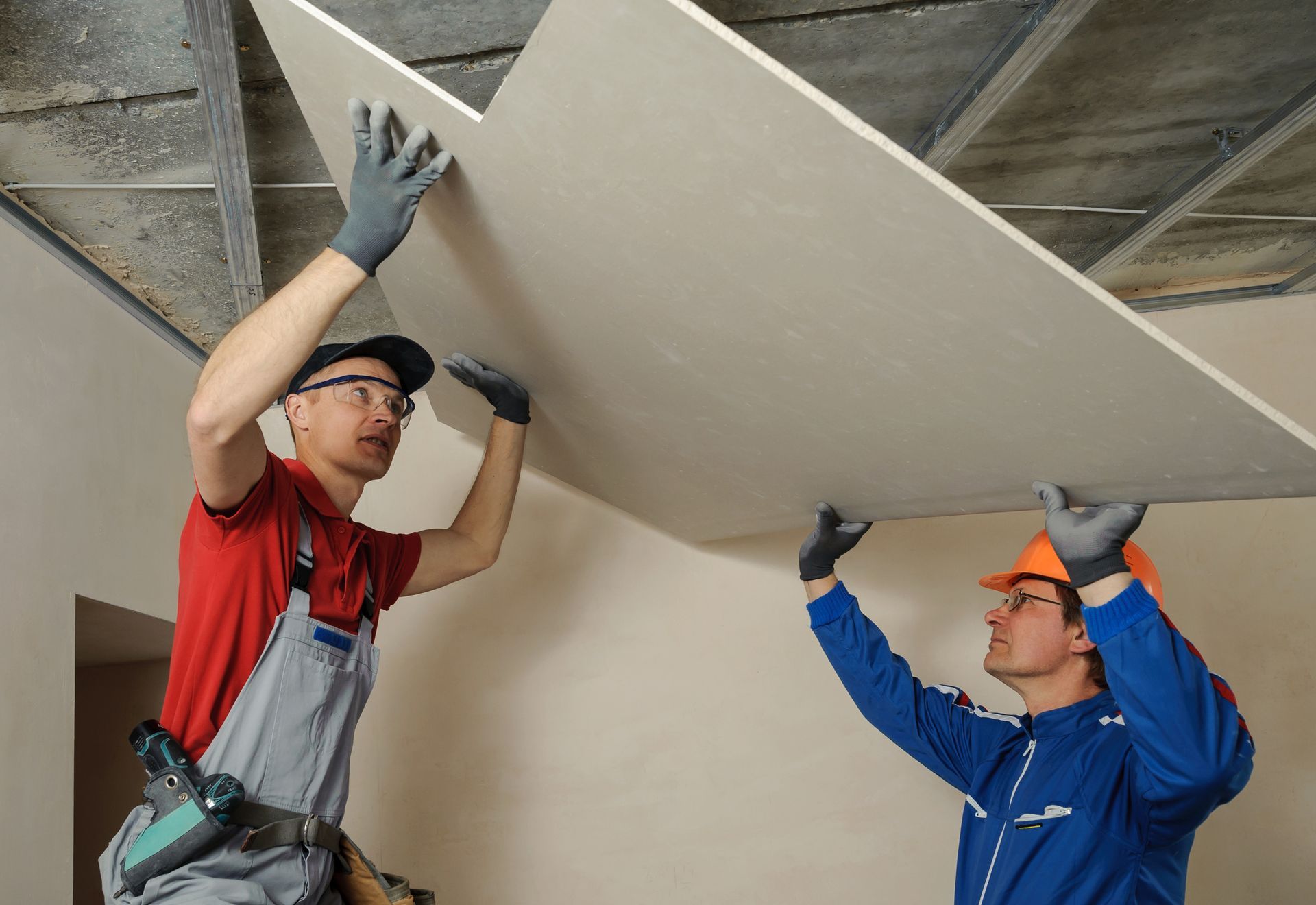
In Perth homes built from the 1990s onward, Gyprock was commonly fixed with screws and adhesive directly to timber or steel battens. Where battens are straight, secure, and free of moisture damage, a skilled tradesperson can remove the affected sheet, replace it, set the joints, and achieve a result that blends cleanly with the rest of the ceiling.
Partial replacement also suits situations where a ceiling section has been cut out for an access hatch or downlight and needs proper patching, where storm water entered through a single roof tile and affected only one corner before being caught early, or where a minor crack has opened due to normal seasonal movement in the frame.
The condition of the existing finish matters as much as structural integrity. If the rest of the ceiling has a smooth, flat paint finish, a partial replacement can often be matched successfully by an experienced tradesperson.
When Does the Full Ceiling Need to Come Down?
Full gyprock ceiling replacement becomes necessary when damage is widespread, structural, or hazardous.
Widespread sheet failure. In many Perth homes built before the late 1980s, plasterboard sheets were glued to battens using a button adhesive system. Over decades, that adhesive can fail across large areas, causing multiple sheets to sag or drop. Patching individual sections in this scenario simply delays the inevitable.
Water damage across multiple sheets. Perth's storm season can push significant water through roof cavities, saturating large ceiling areas. Once multiple sheets are affected, full replacement is typically more cost-effective and safer than piecemeal patching.
Asbestos-containing materials. Some Perth homes built before 1987 may contain asbestos in ceiling products. If testing confirms asbestos is present, removal must follow strict guidelines administered by WorkSafe WA. Partial patching is not permitted where the material is friable or disturbed. Full removal by a licensed contractor is required before new Gyprock can be installed.
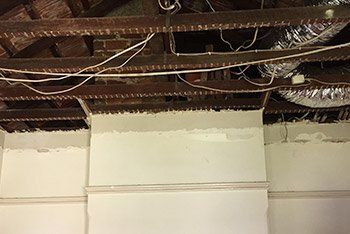
Aged or deteriorated battens. If the battens are warped, rotted, or pulling away from the frame, new sheeting cannot be fixed securely. Replacing the ceiling without addressing batten condition will lead to the same problems repeating.
Mould penetration. In Perth's more humid coastal suburbs, ongoing moisture ingress can cause mould to spread through insulation and into the back face of the Gyprock. Where mould has penetrated beyond the surface, full replacement and treatment of the underlying cause is the only safe resolution.
Matching New Gyprock to an Existing Ceiling Finish
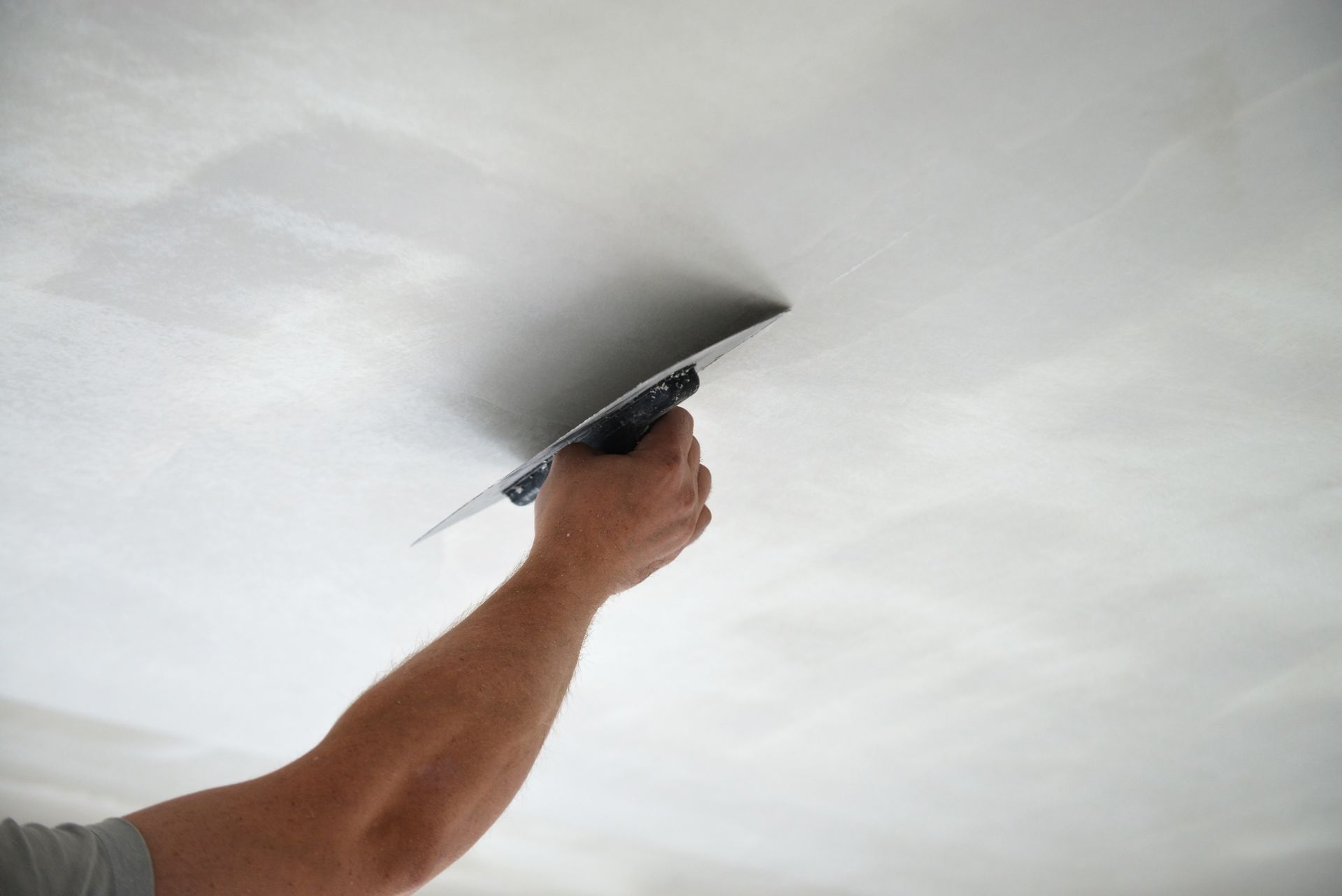
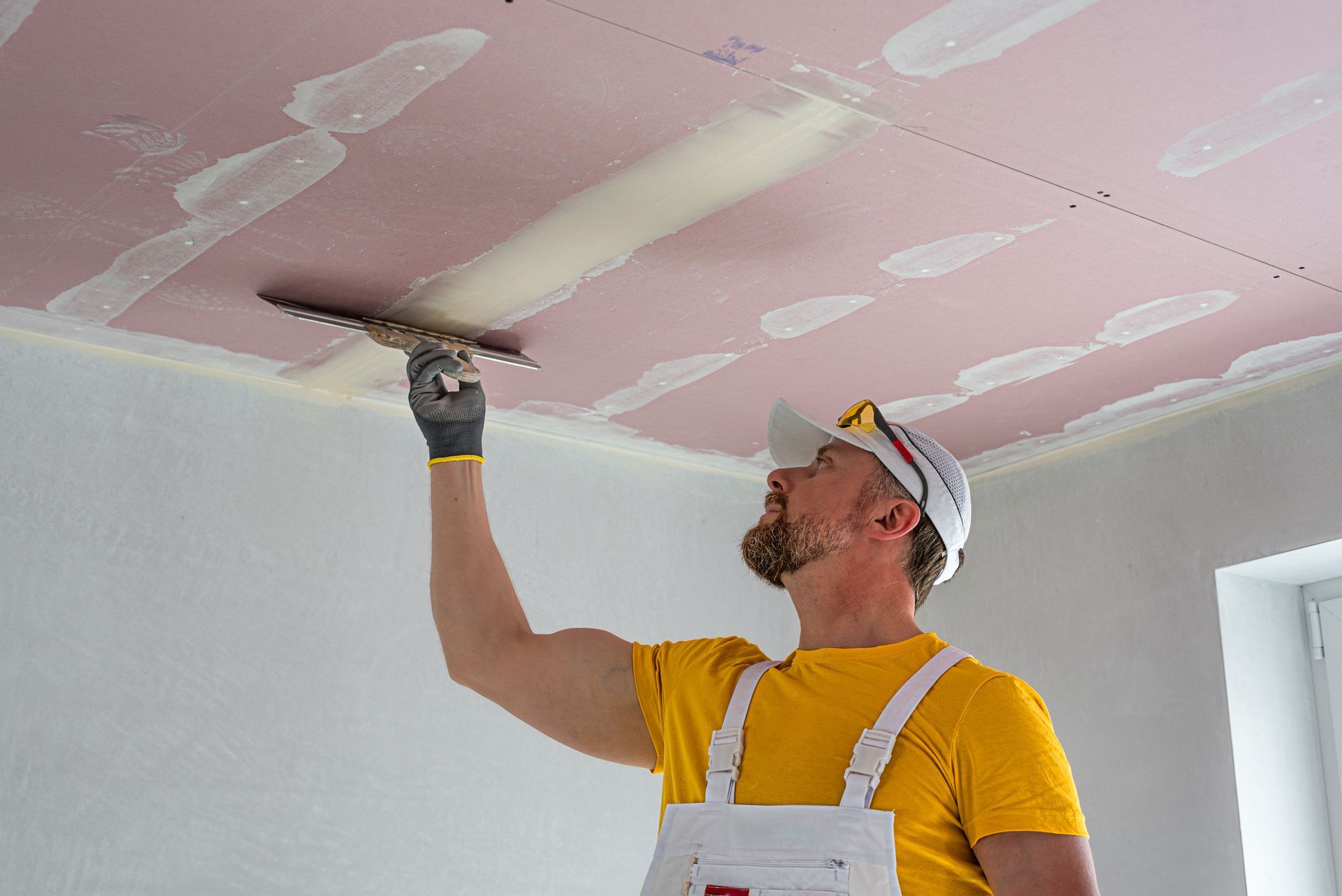
Standard residential Gyprock sheets are 10mm thick, so matching thickness is straightforward. The real challenge is the finish. Existing ceilings have a textured or painted surface built up over many years. A new section will sit slightly differently, and jointing compound used to blend the edges needs time to cure and be sanded flush before painting.
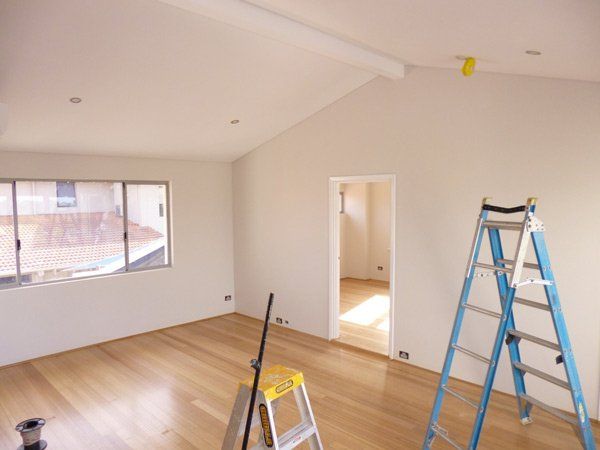
Colour matching is the final step. Even with the same white paint, a fresh coat on one section will often look different to the aged surface around it. Painting the full ceiling surface, or at minimum the entire room, after a partial replacement delivers the most consistent result.
How Do I Know if My Ceiling Has Asbestos?
Homes built or renovated in Western Australia before 1987 may contain asbestos in ceiling products including some older fibre cement sheets. The only way to confirm is through laboratory testing by a licensed asbestos assessor. Visual inspection alone is not reliable. If your home falls into this age bracket, arrange testing before any ceiling work begins.
Do I Need a Permit for Ceiling Replacement in Perth?
For a like-for-like replacement of a domestic ceiling, a building permit is generally not required in Western Australia under the Building Act 2011. However, if the work involves structural changes to framing, new recessed lighting, or changes to fire-rated systems in commercial properties, additional approvals may apply. Check with your local council or a registered building practitioner if you are uncertain.
Can a New Gyprock Section Be Painted to Match the Rest of the Ceiling?
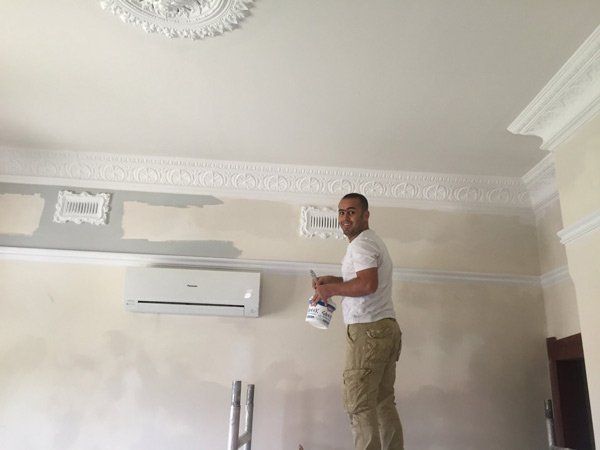
Yes, with the right preparation. The new sheet needs to be fully set, sanded, primed, and painted before a final judgement on the match is made. Painting the entire ceiling surface after a repair gives the most uniform finish. Spot-painting only the patched area rarely produces a seamless result due to differences in sheen, texture, and aged paint buildup on the surrounding surface.
Ready to Get the Right Advice for Your Ceiling?
Whether your home needs a targeted patch or a complete ceiling overhaul, a proper assessment from an experienced tradesperson is the most important first step.
WA Ceiling Fixers is Perth's locally owned and licensed ceiling specialist, offering free, no-obligation quotes for both partial and full gyprock ceiling replacement across suburbs including Bayswater, Mount Lawley, Inglewood, Yokine, and Noranda. Contact the team today or visit the ceiling replacement service page to learn more. Call 0401 763 874 to book your free quote.